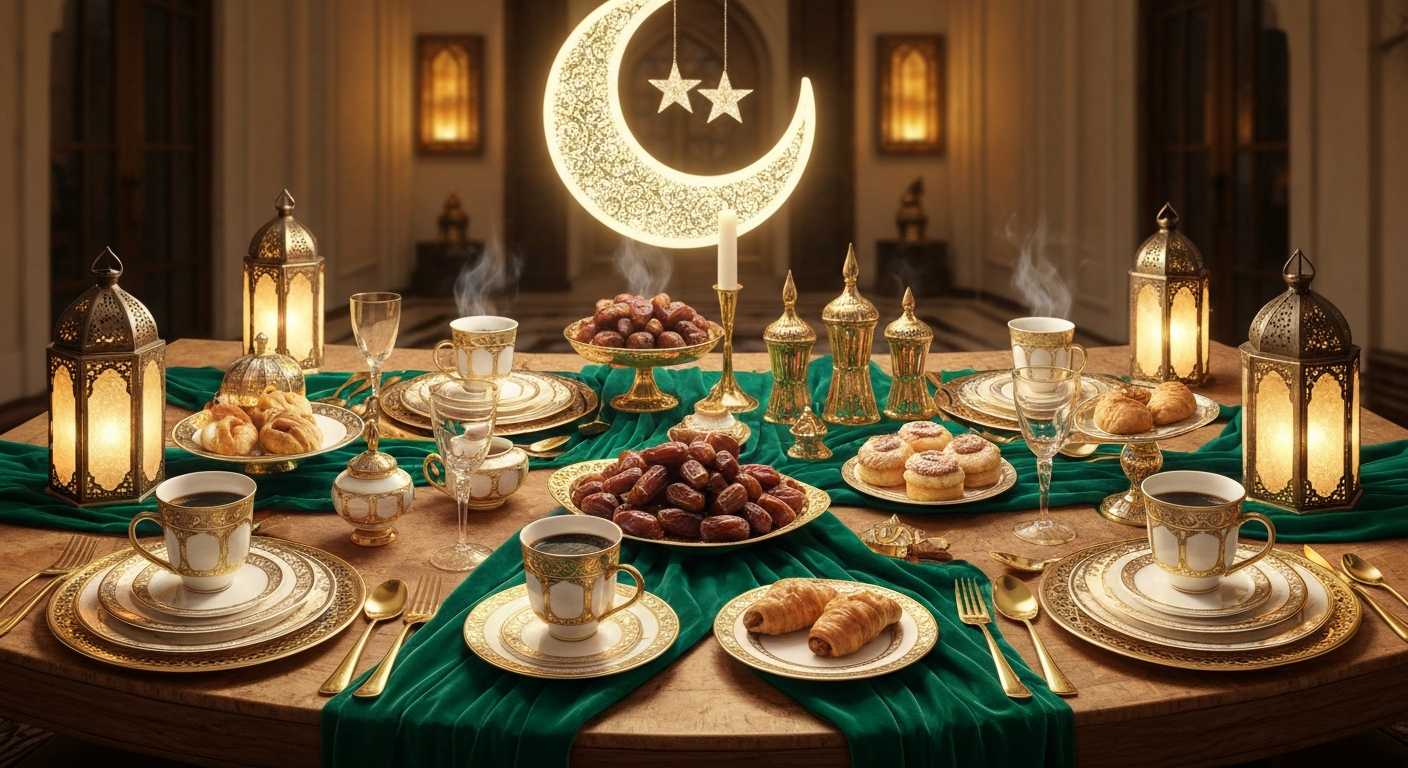
Ramadan Event Planning Guide: Iftar & Suhoor Events in Dubai
Ramadan is a time of reflection, community, and generosity. Iftar and Suhoor gatherings — from intimate family meals to large-scale corporate events — are among the most meaningful celebrations in the UAE’s social calendar. This guide covers everything you need to plan respectful, beautiful Ramadan events.
By The Miracle Team
Ramadan events hold a special place in the UAE’s cultural landscape. Whether you’re hosting a private Iftar for family and friends, a corporate Iftar to strengthen business relationships, or a community Suhoor gathering, the planning process requires sensitivity to cultural traditions, precise timing, and thoughtful design. As an event planning company rooted in the UAE, The Miracle has extensive experience creating memorable Ramadan events that honour the spirit of the holy month while delivering the quality our clients expect.
Cultural Considerations
Understanding the Significance
Ramadan is the ninth month of the Islamic calendar, during which Muslims fast from dawn to sunset. It is a month of spiritual reflection, self-improvement, and heightened devotion. Events during Ramadan should respect this context — the atmosphere should be one of warmth, gratitude, and community rather than extravagance for its own sake. Understanding this distinction is crucial for non-Muslim hosts planning corporate or multicultural Iftar events.
Respect for Fasting
During daylight hours, food and beverages should not be consumed in public spaces. Event planning meetings and site visits during Ramadan should be scheduled with sensitivity to this practice. When hosting non-Muslim colleagues or guests who are not fasting, ensure that any pre-Iftar reception areas do not display food or drink prominently. The Iftar meal itself should not begin until the Maghrib prayer call, which signals the official breaking of the fast.
Dress Code & Decorum
Ramadan calls for more conservative dress and behaviour. Event invitations should suggest modest, elegant attire. Entertainment choices should be respectful — live music is generally acceptable but should be subdued during the prayer and meal period, with more energetic entertainment reserved for Suhoor events later in the evening. Alcohol is typically not served at Ramadan events, with venues offering elaborate mocktail menus and traditional beverages instead.
Timing & Event Flow
Iftar Events (Sunset)
Iftar events revolve around the sunset prayer call, which varies slightly each day during Ramadan. In Dubai, sunset typically falls between 6:15 PM and 6:45 PM depending on the date. A typical Iftar event flows as follows: guests arrive 30–45 minutes before sunset for welcome and seating. Dates, water, and light refreshments (jallab, qamar al-din, laban) are served immediately after the prayer call to break the fast. A brief pause allows guests to perform Maghrib prayer (prayer space should be provided), followed by the main meal service, which typically lasts 60–90 minutes. After dinner, Arabic coffee, tea, and desserts are served with socialising and, for corporate events, brief speeches or presentations.
Suhoor Events (Pre-Dawn)
Suhoor events take place late at night, typically starting at 10 PM or 11 PM and continuing until the pre-dawn hours. These events have a more relaxed, social atmosphere and are increasingly popular for corporate entertainment and social gatherings. Suhoor events offer more flexibility in entertainment, music, and programme design compared to Iftar events. Shisha lounges, live entertainment, and interactive food stations are common elements. The meal itself is lighter than Iftar, focusing on sustained energy foods for the following day’s fast.
Decoration for Ramadan Events
Ramadan décor draws on traditional Islamic art and cultural motifs, creating an atmosphere of warmth and reverence. Key elements include:
- ●Lanterns (Fanous): Traditional Ramadan lanterns in brass, copper, and gold are the signature decorative element. They range from tabletop pieces to large suspended installations and can be complemented with candles or LED lighting for warmth and ambiance.
- ●Crescent Moon & Star Motifs: Subtle incorporation of the crescent moon and star in table décor, signage, and lighting creates thematic cohesion without being overly literal.
- ●Rich Colour Palettes: Deep jewel tones — emerald green, royal blue, and deep gold — are traditional Ramadan colours. Pair them with warm metallic accents for a luxurious, reverent atmosphere.
- ●Geometric Patterns: Islamic geometric patterns can be incorporated into table runners, projection mapping, gobo lighting, and custom signage to add cultural depth and visual sophistication.
- ●Date Palms & Natural Elements: Fresh date palms, olive branches, and rose water fountains bring natural beauty and cultural symbolism to the space.
For more on current decoration approaches, see our decoration services and our guide to 2026 event decoration trends.
Menu Planning
Ramadan menus blend tradition with culinary creativity. Essential elements include:
Breaking the Fast
Dates and water are the traditional starting point, following the Prophetic tradition. Accompany these with fresh juices (tamarind, apricot, rose water lemonade), yoghurt drinks, and light soups (lentil, tomato, or harira) to gently reintroduce food after a day of fasting. This course should be served immediately after the Adhan (call to prayer).
Main Course
Offer a generous spread of Arabic and international dishes. Popular choices include ouzi (lamb on rice), grilled meats and kebabs, biryani, fresh salads (fattoush, tabbouleh), hummus and bread varieties, and stuffed vine leaves. For corporate events with diverse attendees, include international stations alongside traditional offerings. All food must be halal, and vegetarian and vegan options should be clearly available.
Desserts
Ramadan desserts are a highlight: kunafa, umm ali, luqaimat (sweet dumplings), baklava, and maamoul (date-filled cookies) are perennial favourites. A live dessert station where kunafa or crepes are prepared fresh adds an interactive element that guests enjoy. Arabic coffee and tea service with dessert is essential.
Corporate Iftar Event Tips
Corporate Iftar events are one of the most important relationship-building opportunities in the UAE business calendar. Here are specific tips for making yours successful:
- ✓Send invitations at least three weeks in advance — Ramadan social calendars fill quickly
- ✓Provide prayer space with qibla direction clearly indicated
- ✓Keep speeches and presentations brief and schedule them after the meal, not during
- ✓Incorporate a charitable element — donating to a Ramadan cause in guests’ names is a meaningful gesture
- ✓Prepare Ramadan-themed gift bags with dates, Arabic sweets, and your company branding
- ✓Work with experienced venues — most five-star hotels in Dubai have dedicated Ramadan event teams
- ✓Consider hosting during the first or second week of Ramadan, when schedules are less crowded
For comprehensive corporate event planning guidance, see our corporate event planning guide. For budgeting, consult our event cost breakdown.
Venue Selection for Ramadan Events
Many hotels and restaurants in Dubai create dedicated Ramadan tents and themed spaces during the holy month. These purpose-built settings often include traditional décor, specialised menus, and experienced staff who understand the flow of Iftar service. Popular corporate Iftar venues include the Asateer Tent at Atlantis, the Ewaan Tent at Palace Downtown, and the Al Majlis at Madinat Jumeirah. For private gatherings, villa gardens with Arabian-style seating arrangements create a warm, intimate atmosphere.
Plan Your Ramadan Event
From intimate family Iftars to large corporate gatherings, The Miracle creates respectful, beautiful Ramadan events that honour tradition while delivering exceptional experiences.
You May Also Like
Table Settings & Styling
Elegant table setting designs that elevate your dining experience.
Lighting Design
Professional event lighting design that sets the perfect mood and atmosphere.
Venue Styling & Décor
Transform any venue into your dream setting with bespoke styling and décor.
Sustainable Event Planning UAE
How to plan eco-friendly luxury events without compromising on style.
Events in Dubai
Explore The Miracle's event planning and decoration services across Dubai.
Contact Us
Get in touch for a complimentary consultation about your upcoming event.